Flat Roof Repair & Maintenance Tips for Commercial Buildings
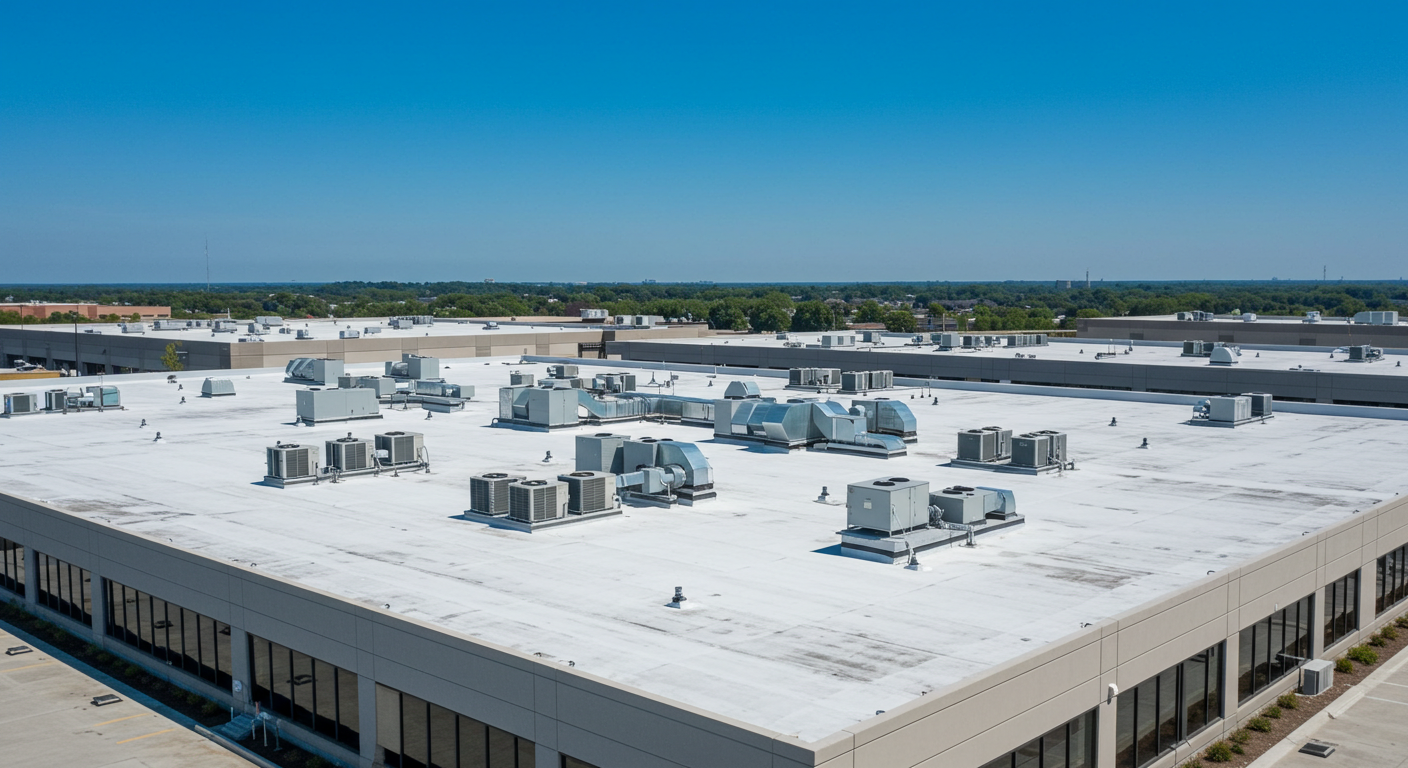
Flat roofs are a popular choice for commercial buildings across Texas and the United States. They’re cost-effective, easier to install on large surface areas, and offer valuable space for HVAC systems, signage, and future expansions. However, what flat roofs provide in simplicity they demand back in maintenance.
Unlike pitched systems that shed water naturally, flat roofs have to manage water more deliberately. Left unchecked, small issues can quickly spiral into significant structural problems, disrupt business operations, and lead to expensive emergency repairs.
In this detailed guide, we’ll explore practical strategies to keep your commercial flat roof in excellent shape. You’ll learn how to spot early warning signs, follow a smart maintenance schedule, weigh repair vs. replacement decisions, and protect your investment for decades to come.
Why Maintaining Your Flat Roof Matters
A flat roof system isn’t just a cap on your building — it’s a critical barrier that safeguards your inventory, equipment, staff, and daily operations. Without proactive care, flat roofs can become a business liability rather than an asset.
Here are some core reasons to prioritize flat roof maintenance:
- Prevent Interior Water Damage: Even a small breach can lead to ceiling stains, mold growth, ruined insulation, and electrical hazards.
- Extend Roof Lifespan: A well-maintained flat roof can easily last 20-30 years. Without care, it could fail in half that time.
- Preserve Energy Efficiency: Debris buildup and membrane failures compromise reflective surfaces and insulation values, causing higher cooling and heating bills.
- Support Warranties and Insurance: Many manufacturer warranties require documented maintenance. Skipping inspections can void these protections.
At K&M Roofing, we’ve seen firsthand how routine flat roof care helps Texas business owners avoid costly surprises. Whether you manage a small storefront or a sprawling warehouse, keeping your roof in top shape protects your long-term bottom line.
The Most Common Types of Commercial Flat Roofs
Not every flat roof is the same. Understanding what’s overhead helps you make smarter decisions about inspections, cleaning, repairs, and eventual replacement.
EPDM (Ethylene Propylene Diene Monomer)
Often referred to as “rubber roofing,” EPDM is a durable black synthetic membrane. It’s especially popular for large commercial roofs because it’s affordable, flexible under temperature swings, and relatively easy to repair with seam tape or adhesive patches. The main downside is that its black color absorbs heat, which can raise cooling costs in hot Texas summers.
TPO (Thermoplastic Polyolefin)
TPO is a single-ply white membrane that reflects sunlight, helping keep energy costs down. It’s one of the fastest-growing commercial roofing products because it’s both economical and energy efficient. Seams are heat-welded for strong waterproofing, but TPO roofs still require careful inspection for punctures or seam failures.
PVC (Polyvinyl Chloride)
PVC is a single-ply membrane known for its strong heat-welded seams and excellent chemical resistance, making it popular for restaurants and commercial buildings where grease or harsh contaminants might contact the roof. PVC is typically white, offering high reflectivity to lower cooling costs. It’s also highly flexible, which helps it handle thermal expansion without cracking.
Built-Up Roofing (BUR)
This traditional multi-layer system uses alternating layers of bitumen and reinforcing fabrics, topped with gravel. It’s heavy and durable but more costly to repair or retrofit with new reflective coatings.
If you’re unsure what system your building uses, we can help. Our roof inspection services identify your roof type and document its condition, giving you a clear roadmap for maintenance and budgeting.
The Biggest Risks Facing Flat Roofs in Commercial Settings
Understanding the most common threats helps you stay proactive. Here’s what typically goes wrong:
1. Ponding Water:
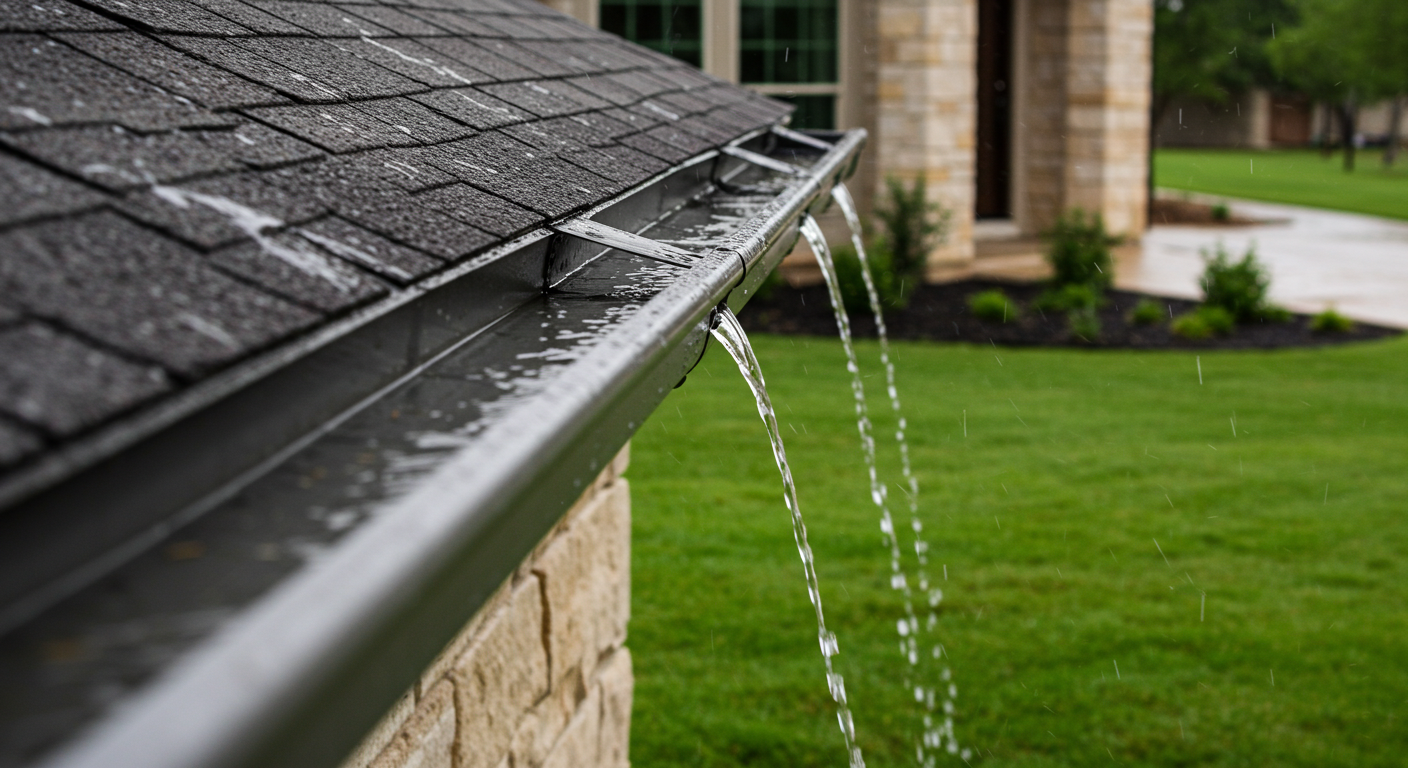
Flat roofs have a slight slope (usually 1/4 inch per foot) to encourage drainage. When drains clog or the slope settles, water pools. If water stays on the roof more than 48 hours after rain, it accelerates membrane wear and increases the risk of leaks.
2. UV Degradation:
Texas sees intense sun exposure. UV rays break down roofing materials over time, causing them to become brittle, crack, or blister.
3. Temperature Swings:
Thermal expansion and contraction stress roof seams. Over years of daily hot/cool cycles, this movement can split seams and create leaks.
4. Foot Traffic Damage:
HVAC techs, electricians, and even window washers may walk on the roof. Without walkway pads, heavy boots can grind in gravel or puncture membranes.
5. Flashing Failures:
The edges of your roof — where it meets parapet walls, vent pipes, or HVAC curbs — are frequent weak points. Flashing or caulk failures are among the top sources of leaks.
How to Spot Early Signs of Flat Roof Problems
Catching small issues before they become big ones is the essence of smart commercial roof care. Here are red flags to watch for:
- Standing water after two days: Could mean clogged drains or insufficient slope.
- Dark patches or pond stains: Indicates repeated standing water that stresses the membrane.
- Bubbles or blisters in the membrane: Trapped moisture or poor adhesion.
- Cracks, splits, or punctures: Often from temperature cycling or foot traffic.
- Debris accumulation: Leaves, twigs, trash, or even stray nails can block drains.
- Rust around roof penetrations: Suggests water is lingering at flashing or curb edges.
- Interior signs: Water stains on ceiling tiles, musty odors, or peeling paint inside your building.
If you notice any of these, it’s time to schedule a professional inspection to determine the best next steps.
Flat Roof Maintenance Checklist: A Smart Annual Schedule
Proactive care isn’t complicated, but it does require consistency. Here’s a sample annual plan we recommend for commercial flat roofs:
Spring
- Perform a comprehensive roof walk after winter’s freeze/thaw cycles.
- Clear all drains, scuppers, and gutters of debris.
- Check seams and flashing for gaps or UV cracks.
- Inspect rooftop units (HVAC, vents) for leaks around curbs.
Summer
- Recheck drainage before heavy storm season.
- Look for signs of UV degradation: surface chalking, brittleness, fading.
- Ensure rooftop access points are secure and walkway pads intact.
Fall
- Clean roof surface and gutters of leaves and twigs.
- Inspect for new punctures or heavy foot traffic areas.
- Prepare for winter by ensuring water can freely drain.
Winter
- After major storms, check for ice dams or unusual ponding.
- Monitor the interior of the building for signs of new leaks.
Most commercial clients pair their own quarterly visual checks with a professional inspection at least once a year to catch hidden issues.
The Basics of Flat Roof Repairs: What to Expect
When problems do arise, how your roof is repaired depends on its type and the damage extent. Here’s an overview:
EPDM Repairs
- Small cracks or holes are often cleaned, primed, and patched with EPDM-compatible seam tape or a rubber patch kit.
- Large damaged areas may involve cutting out the compromised section and installing a new piece of membrane, sealed with adhesive.
TPO Repairs
- Heat-welding a new patch over the damaged section is common. It ensures a seamless bond that matches the existing membrane.
- Punctures are cleaned thoroughly to avoid trapping moisture.
PVC Repairs
- Repairs on PVC involve cleaning and heat-welding a new patch of PVC membrane over the damaged area.
- Because the seams are heat-welded, this creates a monolithic layer that restores waterproof integrity.
- Proper prep is critical to ensure the patch fully bonds with the existing membrane.
Regardless of material, the area is always cleaned and dried first. Without this prep, even the best patch will fail prematurely. Our team uses manufacturer-approved materials and methods to preserve your roof warranty.
When Should You Repair vs. Replace a Flat Roof?
It’s one of the most common questions we get. Should you keep patching, or is it smarter to invest in a new system? Here’s how we help clients decide:
Repair is typically best if:
- The roof is under 15 years old and generally sound.
- Leaks are isolated, not widespread.
- Drainage still works well.
- You want to buy time to budget for replacement.
Replacement is wiser if:
- The membrane is brittle, heavily alligatored (cracked), or pulling away from seams.
- You’re fixing leaks every year, with costs adding up.
- Insulation underneath is saturated (soft underfoot is a clue).
- You’re renovating or adding heavy rooftop units that exceed the roof’s current load design.
For many businesses, it’s also about risk tolerance. If downtime or interior damage would be catastrophic, proactively replacing the roof avoids emergencies. We provide transparent assessments with photos and pros/cons of both options so you can make an informed decision.
Budgeting for Flat Roof Care: Typical Costs
Roofing costs vary widely by size, access, materials, and local labor rates. Here is how the main options compare for commercial flat roofs in Texas:
- Annual maintenance programs: the smallest yearly cost, and they extend roof life.
- Spot repairs: priced by the scope of the damage.
- Partial re-covers: priced by the area being re-covered.
- Full tear-off and replacement: the largest investment, for EPDM or TPO systems.
Regular maintenance (often under 1% of the replacement cost annually) can easily double your roof’s lifespan, saving thousands over the building’s life cycle.
Want tailored numbers? We provide free estimates and quotes so you can plan your budget with confidence.
Frequently Asked Questions About Commercial Flat Roofs
How long does a commercial flat roof last?
- EPDM can last up to 30 years with diligent care.
- TPO averages 20-25 years, PVC typically lasts 20-30 years depending on maintenance and environmental conditions.
- Local climate, maintenance frequency, and foot traffic are major factors.
Can coatings extend my roof’s life?
Yes, reflective coatings can protect aging membranes from UV damage and improve energy efficiency. But they’re not magic — they can’t fix structural issues or deeply cracked membranes.
How often should I have my roof professionally inspected?
At least once a year, ideally twice (spring and fall), plus after any major storm or hail event. This also keeps your warranty intact.
What’s the biggest mistake businesses make with flat roofs?
Ignoring small problems. A tiny seam gap today becomes saturated insulation and interior leaks tomorrow. Routine maintenance is always cheaper than emergency repairs.
Is it okay to have my HVAC techs walk directly on the membrane?
It’s common, but always best to provide designated walkway pads. This minimizes punctures and wear, especially on TPO and EPDM systems.
Why Choose K&M Roofing for Your Commercial Flat Roof?
Businesses throughout Texas rely on K&M Roofing because we focus on long-term protection, not just short-term fixes. Here’s what sets us apart:
- Decades of specialized flat roofing experience. We know EPDM, TPO, and PVC inside and out, from restaurants in Plano to warehouses in McKinney.
- Certified installers for major manufacturers. Keeps your warranty valid and ensures repairs meet technical specs.
- Comprehensive photo reports. Every inspection includes detailed images and straightforward explanations so you understand your options.
- Strong local reputation. See our customer reviews and ask about projects near you.
We proudly serve commercial properties throughout North Texas, including Frisco, McKinney, Plano, and beyond.
Protect Your Business with Proactive Flat Roof Care
Your roof is too important to overlook. By following these maintenance tips, scheduling regular inspections, and addressing repairs promptly, you can avoid major headaches and keep your operations running smoothly.
If you’re ready for peace of mind, schedule a free flat roof inspection today. Whether you need a small patch, a maintenance plan, or a full replacement, we’re here to help you protect your building, your people, and your bottom line.

You can trust us to help you







The K&M Insider
Stay informed with the latest in roofing, insurance restoration, and exterior home improvements. From protecting your home after a storm to enhancing your outdoor space, our expert guides and industry insights help you make the best decisions for your property.
Contact us
Please reach out to us with any questions regarding the services we offer.
Office
Business Hours
Roofing Service FAQs – Everything You Need to Know
We understand that a full roof replacement is a significant investment for any property owner. However, delaying necessary repairs can lead to severe structural damage, costly disruptions, and even code violations. We offer flexible financing options tailored for your property, ensuring you get the protection you need without straining your budget.
In some cases, a repair may be a short-term solution, but hidden issues like trapped moisture, weakened insulation, and undetected leaks can worsen over time—leading to costly interior damage and disruptions. That’s why we conduct thermal drone inspections and moisture mapping to assess whether a repair is viable or if a full replacement is necessary. If a replacement is needed, we’ll help you navigate the insurance process and work with your adjuster at every step.
Yes, we provide tailored financing solutions for all types of properties. Whether insurance covers part of your project or you need additional financial flexibility, we offer financing options to help you budget effectively. A durable, leak-free roof is essential for protecting your assets and maintaining peace of mind, and we make it as easy as possible to afford the best solution for your home.
We give you clear, itemized pricing. Every estimate is written out line by line so you know exactly what you're paying for before work starts.
At K&M Roofing, we understand that trust is everything when choosing a contractor. With over 60 years of combined experience and a reputation built on integrity, transparency, and superior craftsmanship, we’ve earned the trust of property owners throughout the region. We are fully licensed, insured, and an Owens Corning Platinum Preferred Contractor, ensuring your project is in expert hands. Unlike out-of-town storm chasers, we’re a local company committed to long-term service, and our satisfied clients can vouch for our reliability and quality work.
The roofing industry, unfortunately, has its share of unreliable contractors. That’s why we prioritize transparency and accountability in every project. K&M Roofing provides detailed, written estimates, a clear scope of work, and absolutely no hidden fees. Unlike pop-up companies that follow storms, we have a long-standing reputation, hundreds of successful projects, and verifiable credentials. We encourage property owners to verify our licensing, read customer reviews, and compare us to other reputable contractors before making a decision.
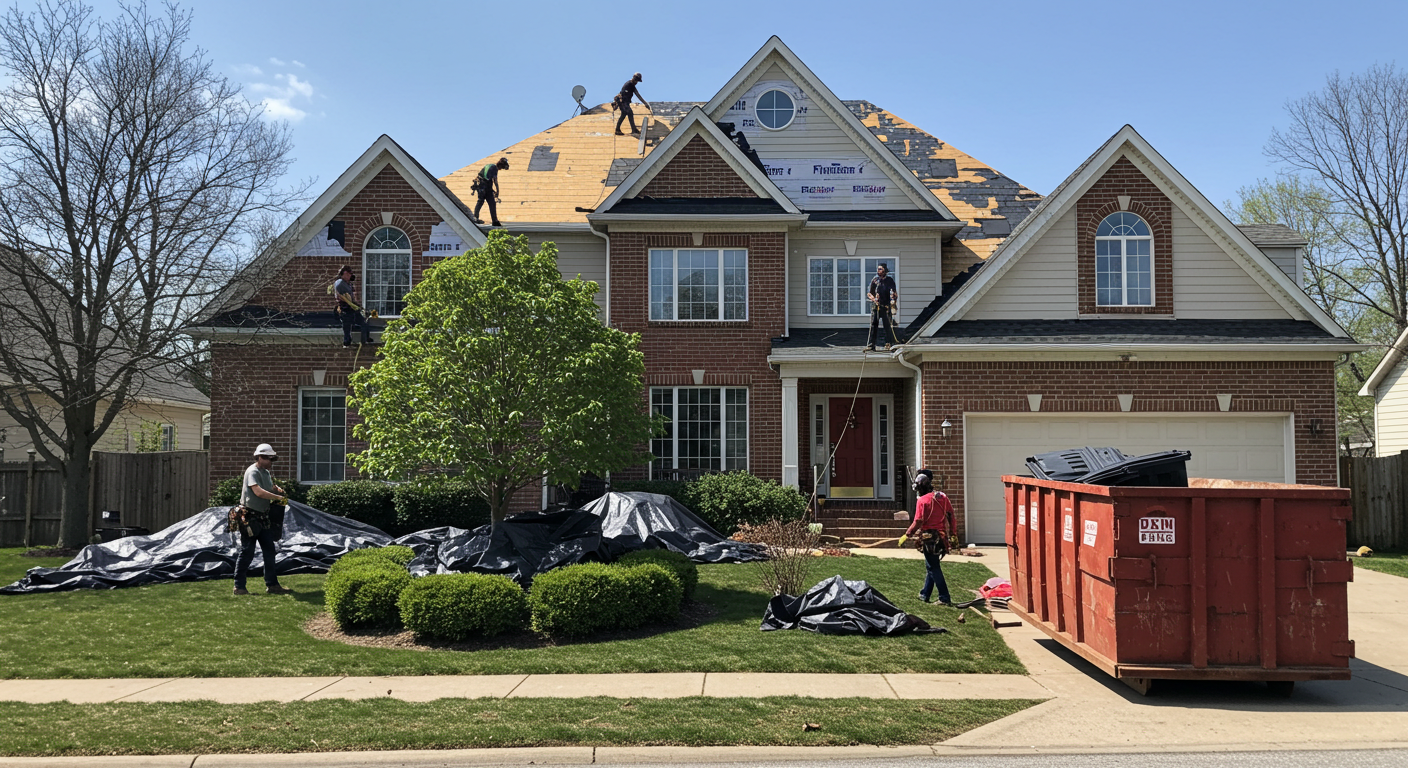
Yes. We know that roofing projects can disrupt usual activity, so we take every precaution to minimize downtime and protect your property. Our team secures job sites, safeguards HVAC units, and prevents debris from affecting your property. We use heavy-duty tarps, magnetic nail sweepers, and a strict cleanup process to ensure your property is left clean and hazard-free. Additionally, we coordinate with you to create a plan that allows for minimal disruption to your daily rhythms.
With K&M Roofing, there are no surprise costs or hidden fees. Our team provides detailed, itemized estimates upfront, so you know exactly what’s covered before work begins. If we uncover unforeseen issues—such as moisture damage or structural concerns—we bring them to your attention immediately and discuss the best solutions before proceeding. Our commitment is full transparency so you can make informed decisions without pressure or unexpected financial burdens.
Even if your roof isn’t actively leaking, hidden damage could be getting worse. Small cracks, seam separations, ponding water, and hail damage may not show immediate signs of failure, but over time, they weaken your roof’s structure. Left unaddressed, this can lead to interior leaks, insulation damage, mold growth, and costly repairs. Acting now helps prevent expensive damage to the quality of your property.
A professional inspection is the only way to know for sure. Signs that your roof may need replacement include: pooling water, deteriorating seams, membrane punctures, granule loss, or leaks. Even if everything looks intact, our team uses thermal drone scans and advanced moisture detection to identify hidden issues beneath the roof surface that could lead to major failures in the future.
Delaying necessary repairs can increase costs and reduce your roof’s lifespan. Small problems often escalate into major structural damage, causing higher energy costs, interior water damage, and safety risks for anyone on your property. A free inspection helps you understand the condition of the roof so you can decide what to do next.
Postponing roof repairs or replacement can cost more in the long run. Roofing material costs tend to increase year over year, making future replacements more expensive. A free inspection now helps document the current condition of the roof so you can plan on your own timeline. Ask your insurer about your policy if you have questions about storm damage.
An inspection soon after a storm helps document the damage while it is still easy to see. Ask your insurer about your policy and any timeframes that apply to you. We can inspect the property, take photos, and meet the adjuster on site. You work with your own insurer on next steps.
If your property has storm damage that your policy covers, involving your insurer can be worth it. Roof repairs and replacements are a major expense, and your policy is there to protect you. We start with a free inspection, document the damage with photos, and can meet the adjuster on site, so you can decide with clear information.
The timeline varies, and your insurer sets the steps. A typical sequence is: 1-3 days to contact your insurance provider; 1-2 weeks for the insurance adjuster to inspect the roof; 1-3 weeks for your insurer to review the documentation and possibly issue an initial payment; and 1-4 weeks after the work is complete for your insurer to possibly issue a final payment. We inspect, document the damage, and can meet the adjuster on site. You work with your own insurer on timing and next steps.
Insurance policies and premiums vary. Ask your insurer about your policy, including how storm damage is handled and any questions you have about next steps. We can inspect the property, document the damage with photos, and meet the adjuster on site. You work with your own insurer.
If you think damage was missed, you have options. We can provide a detailed damage report with photos and measurements, and a contractor on site during the adjuster’s inspection so the damage is documented. We inspect, document the damage, and can meet the adjuster on site. You work with your own insurer on next steps.
No—you can choose your own roofing contractor. Some insurers suggest preferred vendors, but the choice is yours. We inspect, document storm damage, and do the roofing. You work with your own insurer.
The timeline depends on the size of the property, the complexity of the roof system, and weather conditions. Most roofing repairs can take anywhere from a few days to several weeks. Factors such as material selection, existing damage, and the need for additional structural repairs can also affect the schedule. Before starting, we provide a clear project timeline so you know what to expect.
A successful roof replacement or repair requires a step-by-step approach to ensure long-term durability and minimal disruption. Our process includes:
- Identifying interior leak spots to determine the source of water infiltration.
- Comprehensive roof access & inspection to assess existing conditions.
- State-of-the-art drone inspection with thermal imaging to detect hidden moisture.
- Precision problem location & documentation for accurate repair recommendations.
- Addressing problematic areas with targeted repairs to extend the life expectancy of your entire roofing system.
Yes. We take extra precautions to ensure your property, including parking areas and landscaping, are protected throughout the project. Our team uses protective barriers, debris management systems, and thorough cleanup procedures to minimize disruption to the quality of your property.
If we uncover hidden structural damage, trapped moisture, or deteriorating insulation, we will immediately communicate our findings. We provide detailed documentation and solutions before proceeding so you can make informed decisions. Our goal is to prevent long-term damage and ensure your roof remains a reliable investment.
In most cases, it’s not necessary to be present during the installation. We work to minimize disruptions and can schedule work at convenient times for you. Our team will ensure all safety protocols are followed to protect your property while you continue with your daily activities. However, we recommend being available for any important communications or decisions that may arise during the process.
Yes, roof work can be loud, but we take measures to limit disturbances. We coordinate with property owners to establish quiet periods if necessary and use best practices to complete the work as efficiently as possible.
To ensure a smooth process, we recommend:
- Informing everyone who frequents the property about the project timeline.
- Securing valuable items or belongings that could be affected by vibrations.
- Designating an area for materials and crew access.
- Reviewing safety protocols with everyone at the property to ensure everyone feels comfortable and safe during the project.
Once your residential roof is installed or repaired, we:
- Conduct a final walkthrough and quality assurance inspection.
- Provide detailed documentation and warranty information for your records.
- Perform a thorough cleanup, including a magnetic nail sweep to ensure no debris is left behind.
Still have questions?
Contact us on our contact form or give us a call at (903) 870-6748 for any questions
Trusted and Certified by top industries nation wide


Get a free estimate
Our experts provide a free, no-obligation roof estimate and photograph the damage so you have a clear record.